Chair Caning & Seat Weaving
Chair Caning & Seat Weaving in the Amana Colonies
Schanz Furniture & Refinishing is one of the few remaining workshops in Iowa that offers professional chair caning and seat weaving as a dedicated craft – not a side service. Since 1965, our South Amana shop has restored thousands of woven chair seats using traditional hand-caning techniques, press cane installation, rush weaving, and splint work. Whether you have a Victorian rocker with a blown-out cane seat or a farmhouse ladder-back that needs fresh rush, we have experienced weavers who know how to match the original pattern and materials.
Most people don’t realize that a broken cane seat doesn’t mean the chair is finished. The wood frame underneath is almost always structurally sound. Replacing a worn or damaged seat weave is one of the most cost-effective ways to bring a quality chair back into daily use. The materials are natural, the craftsmanship is time-tested, and the result is a seat that looks and performs the way it did when the chair was new.
What Is Chair Caning and How Does It Work?
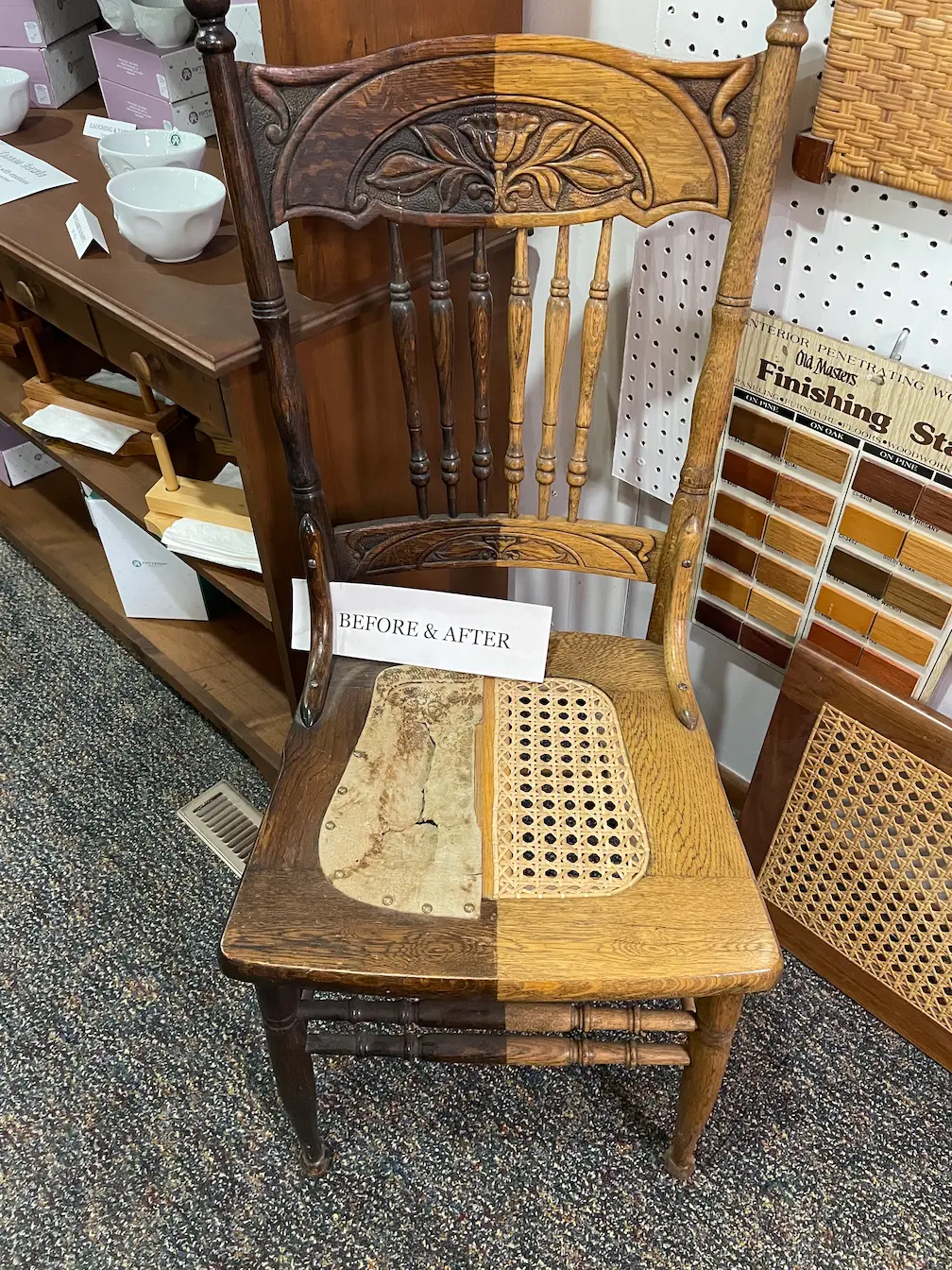
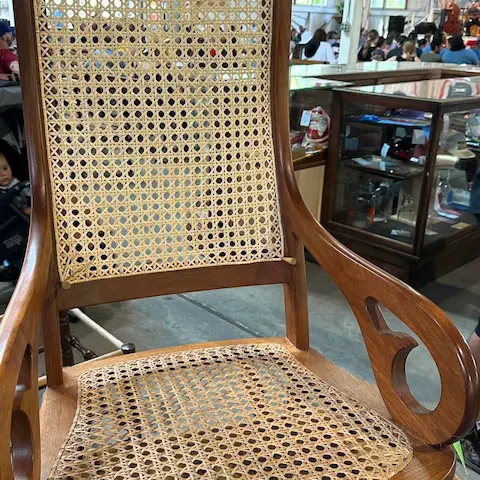
Chair caning is the craft of weaving thin strips of rattan – called “cane” – into a seat or back panel on a wooden chair frame. The technique dates back centuries and remains one of the most durable and attractive methods for creating a flexible, breathable chair seat. Rattan cane is harvested from tropical palm vines, stripped into uniform widths, and woven by hand or applied as pre-woven sheets depending on the chair’s construction.
The distinction between caning methods comes down to how the chair frame was built. Chairs with a series of small holes drilled around the seat perimeter are designed for hand caning – individual strands woven through those holes in a multi-step pattern. Chairs with a continuous groove routed around the seat edge are built for press cane – a pre-woven sheet of cane material that gets pressed into the groove and secured with a reed spline. Both methods produce the familiar octagonal weave pattern, but the installation process and pricing differ significantly.
Beyond traditional cane, “seat weaving” is a broader term that includes rush, splint, reed, and other natural materials woven onto chair frames. Each material has its own character, durability profile, and visual style. Our weavers at Schanz Furniture work with all of them.
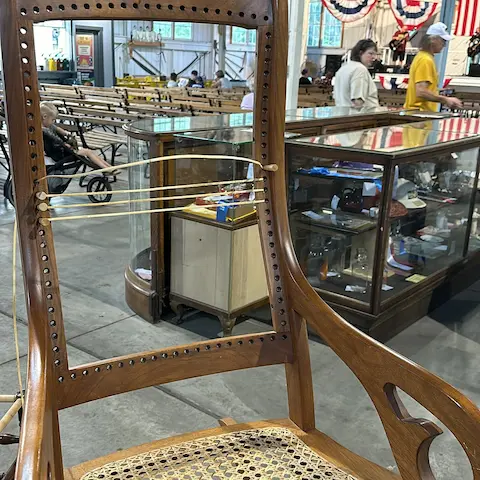
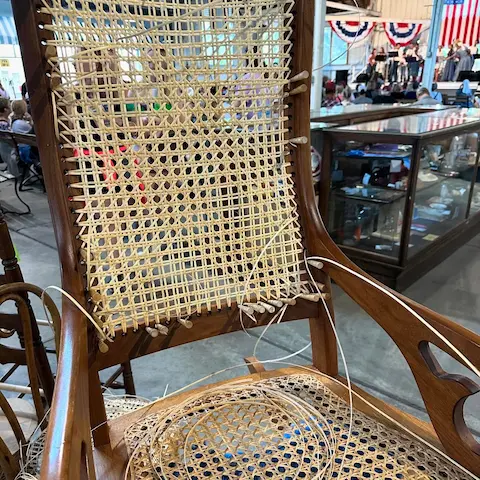
Recaning Process
What Types of Seat Weaving Does Schanz Furniture Offer?
We offer a full range of traditional seat weaving techniques. The right choice depends on how your chair was originally constructed and the look you want to achieve. Here is a breakdown of each method, what it involves, and what it costs.
Hand Caning (Regular Cane Pattern)
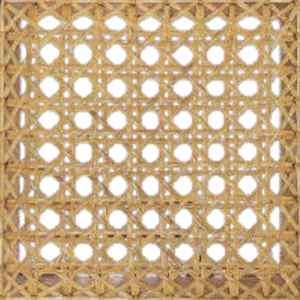
Hand caning is the traditional method – individual strands of rattan cane woven through drilled holes in a multi-step process. This produces the classic open-weave pattern with small octagonal openings that most people associate with antique caned chairs. It is labor-intensive work that requires patience and precision. Each strand must be threaded, tensioned, and secured by hand. The result is a strong, flexible seat with a distinctive lacy appearance.
Pricing: starts at $4.00 per drilled hole around the seat frame, depending on level of difficulty.
Press Cane (Sheet Cane)
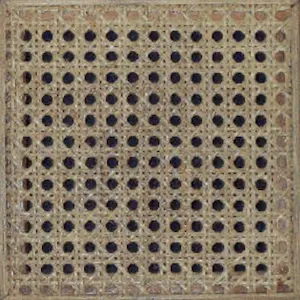
Press cane uses a pre-woven sheet of cane material that is cut to size, soaked to make it pliable, and pressed into a groove that runs around the perimeter of the seat. A reed spline is then glued and tapped into the groove to hold everything tight. This method works only on chairs that were originally built with a groove rather than drilled holes. It is faster to install than hand caning but still requires experienced hands to get a clean, tight result.
Pricing: $11.50 per diagonal inch, plus $50.00 to remove the old spline.
Star Cane Pattern
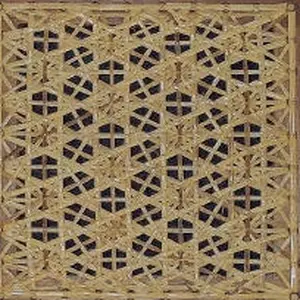
The star pattern is a decorative variation of hand caning that creates a six-pointed star motif within the weave. It is more intricate than the standard pattern and typically found on the backs of Victorian-era chairs and rockers. This is advanced weaving work that demands extra time and skill.
Pricing: $7.50 per drilled hole around the seat.
Spider Web Cane Pattern
Similar in complexity to the star pattern, the spider web design produces a radiating web-like motif. It uses multiple gauges of cane to achieve the effect and is most commonly applied to chair backs rather than seats, since the decorative patterns are less durable under the stress of daily sitting.
Pricing: $7.50 per drilled hole around the seat.
Herringbone Pattern
The herringbone weave creates a distinctive V-shaped or zigzag pattern across the seat surface. It is woven using wider strips of cane and produces a denser, more textured look than open-weave cane. The degree of difficulty varies based on the chair frame and the width of material used.
Pricing: $18.00 – $20.00 per diagonal inch, depending on difficulty.
“B” Pattern
The B pattern is a specialty weave that combines elements of traditional techniques into a distinctive repeating motif. It offers a clean, structured appearance that works well on both antique and mid-century chair styles.
Pricing: $17.00 per diagonal inch.
Brown Rush
Rush weaving uses twisted fiber material wrapped around the seat rails to form four triangular sections that meet in the center. Brown rush provides a warm, natural color that darkens with age and complements country, colonial, and farmhouse furniture styles. It is an extremely strong seat that holds up well under regular use.
Pricing: $12.00 – $15.00 per diagonal inch.
Splint Ash
Splint weaving uses flat strips of ash wood woven around the seat frame in a basket-weave or herringbone pattern. Ash splint is one of the most traditional and durable seat materials available – it was used extensively in early American furniture. We also offer reed splint as a more economical alternative that delivers a similar look.
Pricing: Ash splint at $16.00 per diagonal inch. Reed splint at $13.00 per diagonal inch.
Seat Weaving Pricing
Press Cane
$11.50
Per diagonal inch
+ $50.00 to remove old spline
Regular Cane Pattern
$4.00 & up
Per drilled hole
Varies by difficulty
Star Cane Pattern
$7.50
Per drilled hole
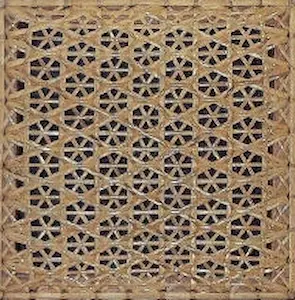
Spider Web Pattern
$7.50
Per drilled hole
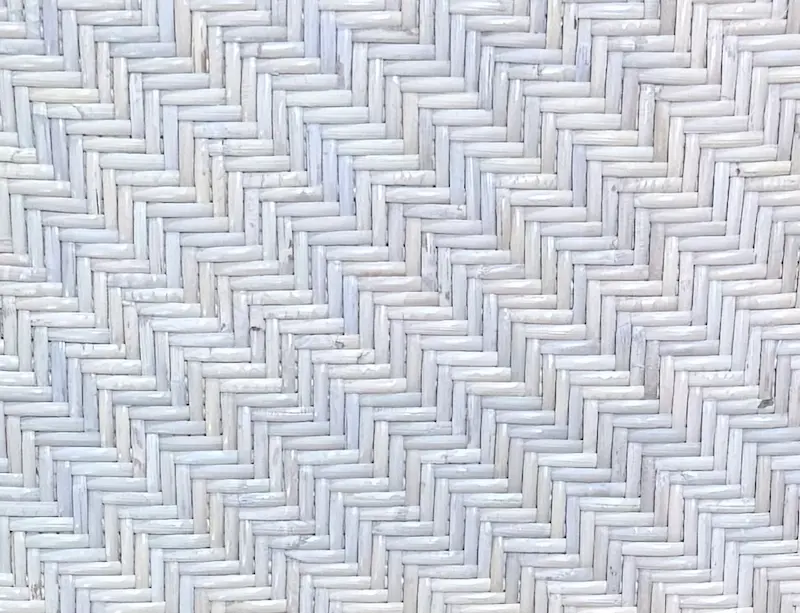
Herringbone Pattern
$18.00 – $20.00
Per diagonal inch
Varies by difficulty
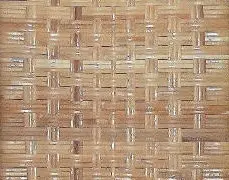
“B” Pattern
$17.00
Per diagonal inch
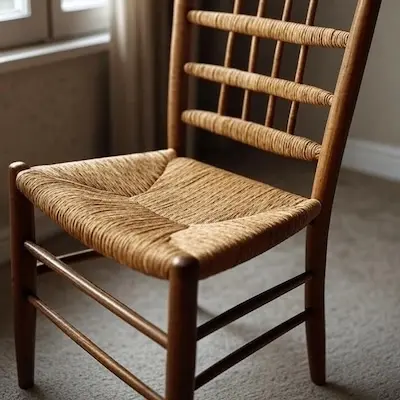
Brown Rush
$12.00 – $15.00
Per diagonal inch
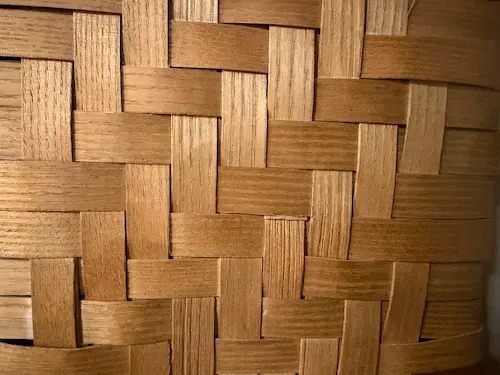
Splint Ash | Reed Splint
Same weave - different materials
$16.00 Ash
$13.00 Reed
Per diagonal inch
What Does the Recaning Process Look Like?
Every recaning project starts with a careful evaluation of the chair frame. Before any weaving begins, we inspect the wood for structural issues – loose joints, cracks, or damage that could compromise the new seat. If the frame needs repair, we handle that first. There is no point installing beautiful new cane work on a chair that is not structurally sound.
For hand-caned chairs, the old cane is carefully removed and all holes are cleaned out. Any pegs or debris lodged in the holes are extracted so the new strands can pass through cleanly. For press cane chairs, the old spline is pried out of the groove and the channel is cleaned to accept fresh material. The new cane is then soaked to make it pliable and the weaving or installation begins.
All these processes are labor intensive and require specific skills depending on the style of weave.
How Do I Know What Type of Caning My Chair Needs?
The chair itself tells you what it needs. Look at the seat frame where the old weaving was attached:
- Small holes drilled around the perimeter – Your chair was designed for hand caning. Count the holes; that number determines pricing.
- A continuous groove (channel) around the seat edge – Your chair was built for press cane. Measure the diagonal to estimate cost.
- Four open rails with no holes or grooves – Your chair is a candidate for rush, splint, or reed weaving. Measure the diagonal to estimate cost.
If you’re not sure what you have, take a few clear photos and send them through our contact form. We can usually identify the weaving type and give you a ballpark estimate from good photographs alone.
How Long Does Chair Caning Take?
Please plan ahead. Chair caning and seat weaving projects typically take several months from drop-off to completion. Each piece is different, and our weavers work through projects in the order they are received. The timeline depends on the complexity of the pattern, the condition of the frame, and our current workload.
With a little planning on both sides, we are usually able to work you into our schedule and ensure your piece is returned in a timely manner.
Why Bring Your Chair Caning to Schanz Furniture?
Chair caning is a disappearing craft. Finding someone who can do the work is getting harder every year, and finding someone who can do it well is harder still. Schanz Furniture has been in continuous operation since 1965, and seat weaving has been part of our service offering for the entire run. Our weavers have the experience to handle everything from a simple press cane replacement to complex decorative patterns that most shops will not touch.
We also have a full woodworking shop on-site. That means if your chair needs structural repair before it can be re-caned – loose rungs, cracked legs, damaged joints – we handle that under the same roof. You don’t need to coordinate between two different shops. Visit our Furniture Repair page for more on our structural restoration work, or our Furniture Refinishing page if the wood finish also needs attention.
How Do I Care for a Caned Chair Seat?
Natural cane is a durable material, but it does best in environments with moderate humidity. The biggest enemy of cane is dry air. Extended exposure to forced-air heating, direct sunlight, or very low humidity will cause cane to become brittle and crack prematurely. A few simple habits can extend the life of your caned seat significantly:
- Do not stand or kneel on caned seats.
- Sit gently in the center of the seat. Don't "plop" down.
- Do not sit on caned seats with something in your back pocket such as wallets, phones, fancy stitched "bling". This can all damage the seat.
- Avoid prolonged direct sunlight on the cane surface. UV light degrades the natural fibers over time.
- Mist the underside of the seat occasionally with a spray bottle of water during dry winter months. This keeps the cane flexible.
- Do not apply varnish or heavy finishes to cane. Coatings make the fibers rigid and actually shorten the lifespan of the weave.
With proper care, a hand-caned seat can last 25-30 years or more before needing replacement. Rush and splint seats are even more durable and can last decades under normal use conditions.
Frequently Asked Questions About Chair Caning
Can you re-cane a chair that was originally hand-caned with press cane instead?
Technically, yes – but we don’t recommend it. Converting a hand-cane chair to press cane requires routing a groove into the frame, which permanently alters the wood and destroys the original drilled holes. For antique or heirloom pieces, maintaining the original construction method preserves both the value and the integrity of the chair.
Do you ship or pick up furniture for caning projects?
No. All furniture must be brought to our shop at 2773 Hwy 6 Trail, South Amana, IA 52334. We do not offer pickup, delivery, or shipping for seat weaving projects. Customers are responsible for transporting their chairs to and from our workshop.
How many chairs can you re-cane at once?
We regularly handle sets of dining chairs – four, six, or eight at a time. If you have a matching set, bring them all in together so the weaving is consistent across the group. We leave it up to the customer - sometimes it's more cost effective to have them done at different times.
Is it worth re-caning an old chair?
Almost always. A quality hardwood chair with fresh seat weaving will outlast anything you can buy new at a comparable price point. It is one of the best investments you can make in furniture you already own.
What if my chair also needs structural repair or refinishing?
We handle all three services under one roof. If the frame needs re-gluing, joint tightening, or replacement parts, we do that before the weaving begins. If the finish needs stripping and refinishing, we coordinate the full process so you get the chair back in complete, ready-to-use condition. See our Furniture Repair and Furniture Refinishing pages for details.
Ready to Restore Your Chair?
You're welcome to bring your chair(s) in anytime M - F 9 to 5 for an in person evaluation.
Schanz Furniture & Refinishing
2773 Hwy 6 Trail, South Amana, IA 52334